Food Curiosity Without Perfect Pregnancy Plates
The rules around eating in pregnancy can make food feel like a minefield. Curiosity is a more nourishing approach than perfectionism.
When Food Becomes Fraught
Pregnancy comes with a list. Foods to avoid (the long one), foods to eat more of (the aspirational one), supplements to remember, water to drink, caffeine to reduce. All of it has a basis in evidence. All of it can, if you are not careful, turn eating into an exercise in anxiety management rather than nourishment.
There is a particular kind of modern pregnancy perfectionism around food: the carefully composed plate, the specific prenatal nutrition influencer, the slight guilt over the chip sandwich you ate at 2pm because it was the only thing that sounded bearable. This perfectionism is not good for you, and it is worth naming.
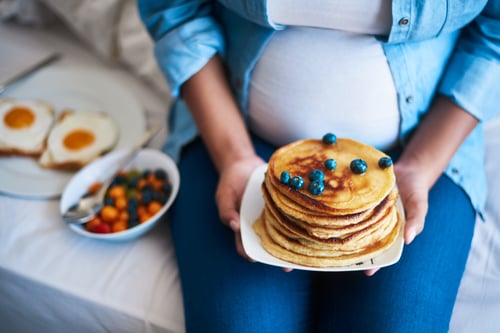
Curiosity about food in pregnancy — what sounds appealing, what your body seems to want, what flavours feel interesting — is a far more sustainable and enjoyable approach than the pursuit of the perfect pregnancy plate.
What Your Body Is Actually Doing With Food
Increased blood volume, a growing baby, a working placenta — your body has significantly higher nutritional demands than usual. Key nutrients include folate (especially early), iron (especially in the second and third trimesters), calcium, and iodine. These are real needs and worth knowing about.
But the way most pregnant people meet these needs is not through a calculated meal plan. It is through a generally varied diet, eating to appetite, taking a pregnancy supplement, and not worrying too much about individual days that go sideways.
Healthline NZ has a clear and non-alarmist guide to pregnancy nutrition that is worth reading once — and then putting down rather than returning to obsessively.
On Aversions and Cravings
Nausea and food aversion in the first trimester are real and can be severe. The irony that this phase coincides with the period when folate intake most matters is one of pregnancy's crueller jokes. If you are in this phase and eating crackers and plain toast for six weeks, you are not failing nutritionally — you are getting through a difficult window, and your body is more resilient than the anxiety suggests.
Cravings are less well understood but often benign. Wanting particular flavours or textures is part of the experience for many people and does not require explanation or apology. If you are craving non-food items (ice, clay, chalk), please mention it to your midwife or GP — this can sometimes signal a mineral deficiency worth investigating.
Food Curiosity as a Family Habit
One of the most useful things you can begin during pregnancy is developing an attitude of curiosity toward food, because this is the attitude that will serve your child best as they grow. Children who see adults approach eating with interest and flexibility — trying new things, describing flavours, enjoying cooking — tend to develop broader palates and more positive relationships with food than children who absorb anxiety and restriction around eating.
This does not mean you need to become a confident cook or a foodie during pregnancy. It means being curious yourself. Trying a new vegetable at the market. Asking what a particular ingredient is in a dish you order. Noticing what flavours are actually appealing to you this week and following that interest.
Practical Things That Actually Help
- ✓Eat regularly. Letting blood sugar drop makes everything harder — nausea, mood, energy. Small and frequent often works better than three perfect meals.
- ✓Keep something simple and nourishing close at hand. A handful of nuts, a piece of fruit, a rice cake — not glamorous, but functional on the days when preparing food is beyond you.
- ✓Cook with others when you can. The combination of company and food preparation is one of the oldest human pleasures, and it still works.
- ✓Try one new thing per week with genuine curiosity, not obligation. Not 'I should eat more leafy greens' but 'I wonder what this would taste like with lemon.'
For guidance on specific foods to avoid in pregnancy and why, KidsHealth NZ has a concise and trustworthy list that does not require interpretation.
The Plate Is Not the Point
The image of the perfect pregnancy meal — the dark leafy greens, the salmon, the colourful array of vegetables, the glass of water with lemon — is a useful aspirational image and a poor daily standard. Most days, most people eat something reasonable, something slightly less reasonable, and something they just wanted. This is fine.
The relationship with food that will carry your family through years of mealtimes, toddler negotiations, school lunches, and teenage kitchen raids is not built in pregnancy by eating perfectly. It is built slowly, through curiosity and pleasure and shared eating and the occasional chip sandwich.
The daily ideas in Tiny Steps often include simple food-awareness moments — noticing flavours, trying things together, making something small — that come from this same place. Not prescription. Just interest. That is enough.

Written by
Tiny Steps programme team
Part of the Vector Group Charitable Trust Resilience Programme. Tiny Steps shares practical, educational content for whānau in Aotearoa.
Ready for today's tiny steps?
Open Today for five gentle ideas you can try with your whānau.