Money Stress and Mental Health: 1737 and What Actually Helps
When money pressure affects sleep, mood, and relationships, this guide shows realistic supports that help, including 1737, routine resets, and practical household triage.
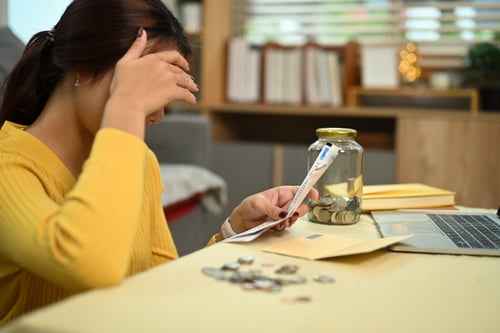
Money stress is not just numbers on a spreadsheet. It shows up as racing thoughts at 2am, short tempers over small things, shame, and the feeling that you are always behind no matter how hard you try. If your household is in that space, the most useful move is to separate emotional first aid from financial planning. You need both, but in the right order.
If you or someone in your home feels overwhelmed, call or text 1737 for free support any time, day or night. You do not need a perfect explanation. A simple message like I am stressed about money and cannot settle is enough to start. This is one of the fastest ways to interrupt panic so you can make better decisions afterward.
Next, reduce immediate load. Pick the top three priorities for the next seven days: essential food, housing costs, and critical health or transport. Everything else moves to a later list. In the Home Steps checklists, write this as a temporary crisis plan, not your forever budget. When stress is high, clarity beats complexity.
One reason money stress spirals is decision fatigue. Every day feels like a new emergency, so households keep reacting rather than steering. A simple stabiliser is a fixed daily review window: 15 minutes, same time, one notebook. Review due dates, messages, and one next action. Outside that window, do not constantly re-open the whole crisis.
Mental health also improves when body basics return. Sleep, hydration, movement, and predictable meals sound obvious, but they are often the first casualties of financial pressure. Use low-cost anchors: short walk, early phone cutoff, batch-cooked dinner, and consistent wake time. This does not erase debt, but it lowers cognitive noise so budgeting and conversations become possible again.
For practical money support in New Zealand, MoneyTalks and Citizens Advice Bureau can help you navigate options and rights. If work income has shifted, Work and Income may have relevant assistance. Official channels are not always quick, but they create pathways that friends and social media advice cannot.
In households with children, emotional spillover is real. If you use Tiny Steps structures, keep routines steady even when spending is tight. Familiar bedtimes, school prep rhythm, and calm handovers reduce anxiety for adults and tamariki. Children do not need full financial detail. They need to know adults are making a plan together.
Relationships often take strain during money stress because conversations happen only when someone is already upset. Try a weekly money meeting with two rules: no blame language and one concrete action each. Examples include calling one provider, cancelling one unused subscription, or preparing two low-cost meals ahead. Progress restores trust faster than promises.
You can also use the programme hub to store crisis contacts in one place: 1737, GP, school support person, landlord contact, and key service numbers. In a stressful moment, searching old messages wastes precious energy.
As Home Steps grows, and with future Food Steps resources, we will keep combining practical planning with emotional recovery because they are inseparable. A household that can ask for help early, protect essentials, and keep communication calm is already resilient, even if money is still tight.
What actually helps is rarely dramatic. It is one support call, one simplified plan, one calmer evening, and one less argument. Repeat that for a week and you usually feel the floor come back under your feet. If today is hard, start with 1737 and one small task. That is enough to begin.
For longer-term momentum, create a personal warning-sign list and share it with one trusted person in your household. Include signs like poor sleep, skipping meals, avoiding bank messages, or withdrawing from conversation. Pair each sign with one response action such as text 1737, take a 10-minute walk, or complete one bill task only. This turns vague overwhelm into a practical response plan. When your household normalises early intervention, stress still appears but it does not dominate the entire week. You are building recovery reflexes, and those reflexes become one of your strongest resilience assets.

Written by
Home Steps programme team
Part of the Vector Group Charitable Trust Resilience Programme. Home Steps shares practical, educational content for whānau in Aotearoa.
Ready for today's household step?
Open Today for one gentle household step you can try with your whānau.