
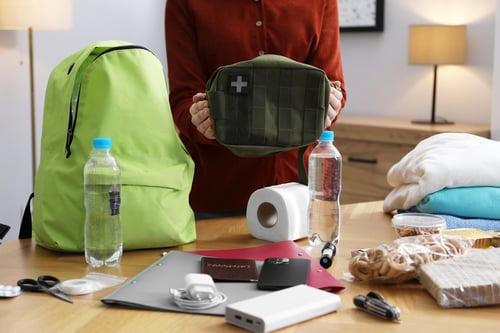
Grab-Bag Contents Western Bay Households Actually Use
A useful grab-bag is practical, lightweight, and matched to local realities. Here is what Western Bay households genuinely reach for in an evacuation.
Your Grab-Bag Is About Mobility, Not Perfection
Emergency kits are home-based. Grab-bags are for leaving quickly. In a Western Bay event such as flooding, slips, or severe coastal weather, the bag that matters is the one you can carry immediately without thinking. Overpacked bags are common and usually fail the real-world test.
Build for 24-48 hours away from home, then review seasonally. Use civildefence.govt.nz for official context and alerts.
What People Actually Use First
Across community preparedness workshops, the same items are used repeatedly:
- ✓phone charger and compact power bank
- ✓ID copies and key contact list
- ✓medications for at least a few days
- ✓basic toiletries and sanitary items
- ✓lightweight warm layer and rain shell
- ✓water bottle and quick snacks
Everything else is secondary to these. If you are short on budget, start here and add one item each payday.
Western Bay Practical Additions
For local conditions, consider:
- ✓footwear suited for wet ground
- ✓spare glasses/contact supplies
- ✓child comfort item if relevant
- ✓small pet lead/food pack
- ✓regional map in case coverage drops
Store bag near your usual exit path. Check fit and weight by carrying it around the block once. If it hurts after ten minutes, remove items.
Household Coordination Matters More Than Gear
A good bag does not help if family members cannot find each other. Decide now:
- ✓pickup plan for school or childcare disruptions
- ✓one out-of-region contact point
- ✓transport fallback if the primary vehicle is unavailable
Put this plan in /app/checklists and rehearse briefly using /app/steps. Keep a plain-language copy in your document folder too.
Budget-Friendly Build Strategy
Preparedness can feel expensive, but staged buying works:
- ✓week 1: water bottle, snacks, torch
- ✓week 2: power bank, charging cable
- ✓week 3: medication backup and hygiene kit
- ✓week 4: clothing and document copies
If broader money pressure exists, use Sorted for cashflow planning and MoneyTalks on 0800 345 123 for free mentoring referral.
Link Preparedness With Local Services
Emergencies intersect with housing, income, and wellbeing. Keep relevant support contacts in /programme/directory, and use /resources for wider resilience guides. For rights and service navigation, Citizens Advice Bureau can help you understand where to ask next.
Educational Guidance, Not Official Incident Direction
This article is educational signposting only and not official emergency command advice. During active events, follow current instructions from Civil Defence, emergency services, and local authorities. Product availability and service channels may change.
A realistic grab-bag is one you can carry in under 30 seconds without second-guessing.
Pack by Scenario, Not Category
A practical way to test your bag is scenario thinking: 'If we left at night in rain, what would we need in the first hour?' or 'If we stayed with family unexpectedly, what would reduce stress fastest?' This approach usually prioritises documents, medication, charging gear, and one full change of clothes over bulky items.
Keep a Ready-to-Go Document Pack
Include photocopies or secure copies of:
- ✓ID and key account numbers
- ✓insurance policy summary
- ✓emergency contacts
- ✓medical information and prescriptions
Store originals safely at home, but keep portable copies in your grab-bag. Update this pack every six months or after major household changes.
Practice an Exit in Under Five Minutes
Choose one evening and run a simple drill. Time how long it takes to collect people, pets, keys, and bags. Note bottlenecks like missing shoes, flat torch batteries, or unclear meeting points. Then adjust your setup.
Preparedness improves through practice, not through buying more gear.
Keep the Bag Where You Can Grab It
A great bag hidden in a back cupboard is almost useless during a fast evacuation. Keep it in a known location near your exit, and make sure all household members can reach it without moving other gear. Label it clearly and avoid using it for day trips so items do not quietly disappear.

Written by
Home Steps programme team
Part of the Vector Group Charitable Trust Resilience Programme. Home Steps shares practical, educational content for whānau in Aotearoa.
Ready for today's household step?
Open Today for one gentle household step you can try with your whānau.