
Community Gardens and Volunteering: Social Connection and Kai in the BOP
A practical guide to joining Bay of Plenty community gardens and volunteer groups so your household builds steady food confidence, stronger relationships, and everyday resilience.
When people in the Bay of Plenty talk about resilience, they often mean the same quiet thing: knowing who you can call, where to find kai, and how to keep going when money or energy is tight. Community gardens and local volunteering do all three at once. They are not just feel-good activities for people with extra time. For many households, they are one of the most practical ways to reduce pressure and rebuild confidence.
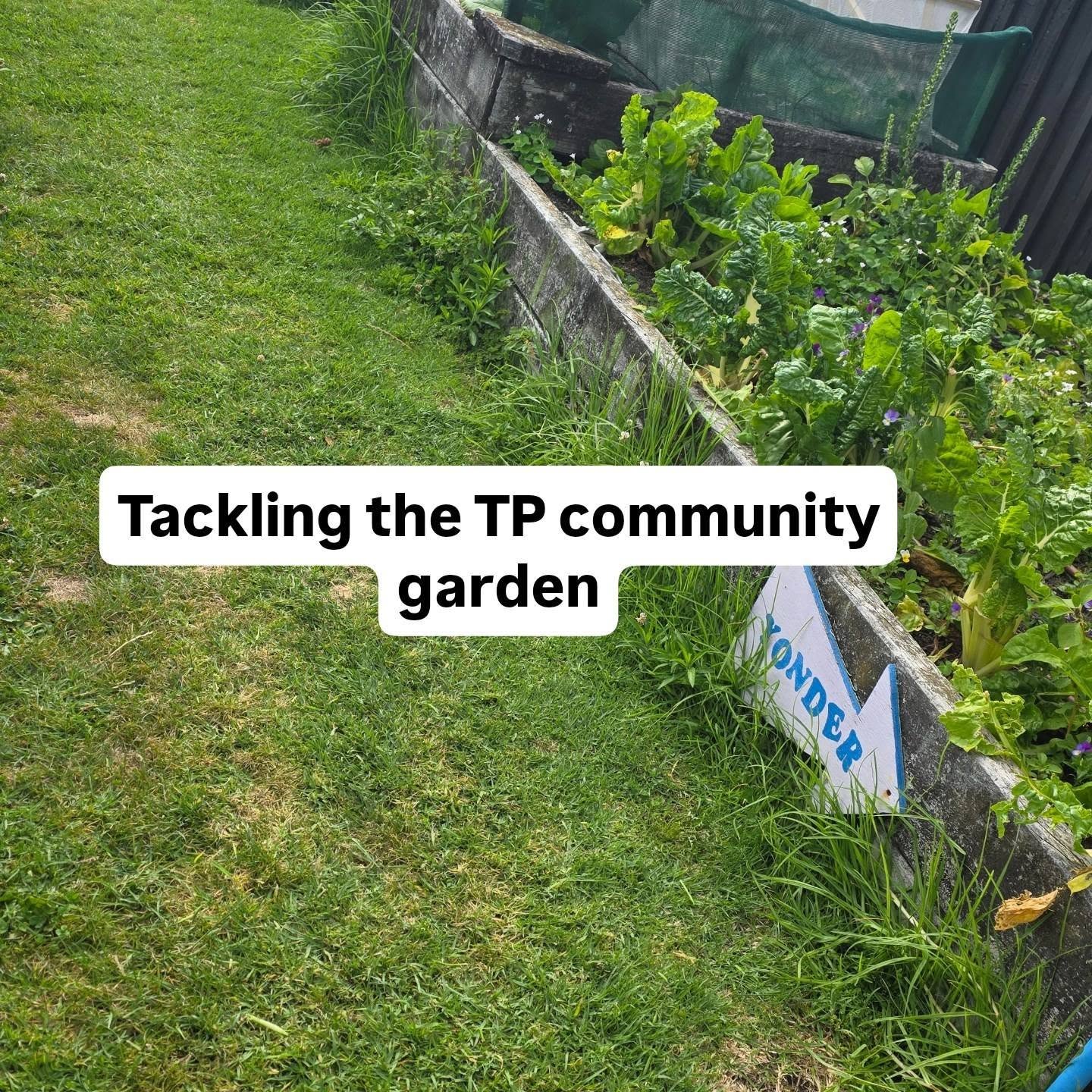
A garden plot, even a small one, changes the weekly maths. A few bunches of silverbeet, herbs, spring onions, and seasonal veg can trim grocery stress and make dinners easier when the cupboard feels thin. But the bigger win is social. In shared gardens, you learn from people who have already solved problems you are facing now: pests, soggy backyards, cheap compost, preserving surplus, and feeding kids who are tired of the same meals.
Volunteering wraps another layer around that. If you help at a garden day, sorting table, local pantry, or neighbourhood clean-up, you quickly become known by name. That matters more than most of us admit. In hard weeks, people are more likely to share information, opportunities, and practical support with households they already know. That can mean hearing about school holiday food support, a free budgeting workshop, or a local clinic before the flyer reaches everyone else.
In Tauranga and wider BOP communities, there are many entry points. Start small. Pick one place near your bus route, work run, or school trip. Commit to one hour a week for six weeks. Put it in your Home Steps calendar as non-negotiable, like a bill payment. In the Home Steps programme hub, pair this with the local services list and create a simple contact card for two people you meet. Resilience grows faster when it is scheduled.
If childcare is the blocker, bring the whole household where possible. Many community spaces are family-friendly and children can water, carry, sort, and learn basic growing skills. If you are already using Tiny Steps routines for after-school flow, fold garden afternoons into that rhythm. A 20-minute garden task before dinner can become a low-cost anchor that settles everyone and reduces evening chaos.
For food safety and growing advice, stick with reliable guidance. Food safety basics from NZ Government and NZ gardening resources via councils and community groups can help you avoid common mistakes. If you are sharing produce, clear handling and storage habits protect everyone.
Volunteering can also support future earning. It builds references, confidence, and recent activity you can include when returning to paid work. If redundancy or reduced hours are in your household story, this matters. The step is not to overcommit. The step is to stay connected while your finances recover. One stable commitment is better than five stressful ones.
Try this practical structure for the next month:
- ✓Week 1: visit one garden or volunteer site and ask how sign-up works.
- ✓Week 2: attend once, even briefly, and learn one person name.
- ✓Week 3: bring a container and take home one low-cost meal idea.
- ✓Week 4: decide whether this is a fit and lock in your next four visits.
Use the Home Steps checklists to track attendance, contacts, and what produce came home. This turns a vague good intention into visible progress. If energy drops, lower the goal, do not quit the habit. Even one hour fortnightly can keep your connection alive.
It is also fine if you are not naturally social. You do not need to become a different person to benefit. You can weed quietly, sweep, stack crates, or help with setup and leave. Consistency beats charisma. Over time, familiar faces become practical supports, and practical supports become resilience.
As Home Steps grows and Food Steps arrives in future, this local-grounded approach remains the same: keep costs manageable, keep routines realistic, and keep your circle of support active. Community gardens are not a side project. In the BOP, they are one of the safest, cheapest, and most human ways to make sure your household can weather the next tough patch without starting from zero.

Written by
Home Steps programme team
Part of the Vector Group Charitable Trust Resilience Programme. Home Steps shares practical, educational content for whānau in Aotearoa.
Ready for today's household step?
Open Today for one gentle household step you can try with your whānau.